
پیکاپ ها بخشی از گیتار هستند که باعث می شوند صدای این ساز شنیده شود. پیکاپ ها به اندازه جنس چوب گیتار، سیم ها، امپ و سایر وسایل گیتار شما پر اهمیت هستند و نیاز هست که به همان اندازه مهم تلقی گردند. پیکاپ ها در انواع مختلفی ساخته می شوند و کاربرد های مختلفی نیز در موسیقی شما دارند. برای مثال شما از پیکاپی که برای نواختن در سبک کانتری استفاده می کنید در سبک هارد راک یا متال استفاده نخواهید کرد، همچنین اگر از پیکاپ مناسب استایل مورد نظرتان استفاده نکنید نتیجه مطلوبی نخواهید گرفت.در ادامه به معرفی پیکاپ و انواع آن و توضیحات فنی مربوط به آنها میپردازیم.
پیکاپ چیست؟
پیکاپ یک مگنت سیم پیچی شده است که کار آن تبدیل لرزش سیم های گیتار به سیگنال الکتریکی می باشد. پیکاپ ها در سازهای الکتریکی و آکوستیک استفاده می شوند. پیکاپ گیتار الکتریک (و گیتار باس) به سه گروه عمده تقسیم می شوند Single Coil ، Humbucker، P90
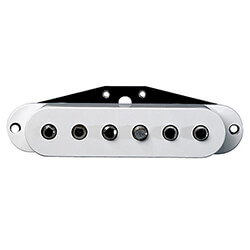
پیکاپ سینگل کویل (Single Coil):
پیکاپ های Single Coil از یک مگنت تکی (تک هسته ای) استفاده می کنند. یک مثال خوب برای پیکاپ های سینگل کویل، پیکاپ های موجود بر روی فندر استراتوکستر( Fender Stratocaster) است. صدای این پیکاپ ها بسیار سبک ترو شفاف تر از صدای پیکاپ های humbucker یا p90 است. از پیکاپ های سینگل کویل در سبک های کانتری، Surf و..... استفاده می شود. در اصل می توان گفت که پیکاپ های سینگل کویل در اکثر سبک ها مورد استفاده قرار می گیرند و خوب صدا می دهند تنها ضعف آنها این است که به خوبی پیکاپ های humbucker از پس تولید صدای دیستورشن سنگین برای سبک های هارد راک یا متال بر نمی آیند.
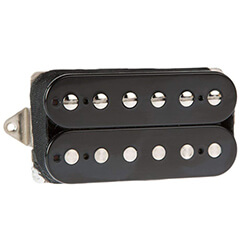
پیکاپ های هام باکر (humbucker):
یک پیکاپ humbucker در اصل از دو پیکاپ سینگل کویل که با هم چفت شده اند ساخته شده است. پیکاپ های سینگل کویل در عین دارا بودن صدایی شفاف، عامل پدیده ای به نام (60 cycle hum) هستند که در کنار انتقال صدای سیم های گیتار به امپ، نویز زیادی هم تولید می کنند. Hum در لغط به معنای صدای نویز و وزوز و Buck به معنای مخالفت کردن است. پیکاپ هامباکر یعنی پیکاپی که ضد نویز است. پیکاپ هامباکر دارای صدای گرم تری به نسبت سینگل کویل است به همین دلیل بسیاری از نوازندگان Jazz علاقمند به استفاده از آن هستند همچنین به دلیل خروجی صدای قوی تر از سینگل کویل، در سبک هایی که نیاز به دیستورشن شدید هست بسیار بهتر عمل می کنند. پیکاپ های humbucker تنها در سبک های کانتری و surf خوب عمل نمی کنند و گرنه در تمامی سبک های موسیقی دیگر عالی هستند.
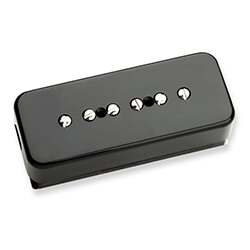
پیکاپ های p90 :
پیکاپ های p90 در طبقه بندی دقیقا بین پیکاپ های هام باکر و سینگل کویل قرار می گیرند. P90 ها خروجی قویتری نسبت به سینگل کویل ها دارند اما قدرت آنها کمتر از هامباکر ها است. صدای آنها عمق بیشتری نسبت به سینگل کویل دارد اما بهاندازه هامباکر حجیم نیست. این پیکاپ ها گزینه بسیار مناسبی برای سبک های بلوز و راک ( نه هارد راک !) هستند.
پیکاپ های گیتار باس:
پیکاپ های گیتار باس دقیقا مانند پیکاپ های گیتار الکتریک کار می کنند ولی دسته بندی آنها متفاوت است. پیکاپ های گیتار باس در رده های J pickups، Split coil ، Dual Coil و Soap Bar قرار میگیرند.

پیکاپ های J یا J Pickups :
این پیکاپ ها اولین بار بر روی گیتار باس Fender Jazz Bass تعبیه شدند و از آن زمان تا کنون مورد استفاده قرار می گیرند. صدای J Pickups دارای تن گرم می باشد و اکثرا مورد استفاده نوازندگان Jazz قرار میگیرد، Geddy Lee نوازنده گروه راک Rush نیز از علاقمندان به استفاده از این نوع پیکاپ می باشد.
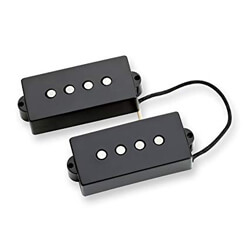

پیکاپ های Split-Coil:
این پیکاپ ها از دو نیمه یک پیکاپ سینگل کویل ساخته می شوند به طوری که نیمی از آن در زیر دو سیم و نیم دیگر زیر دو سیم دیگر گیتار باس قرار میگیرد. این پیکاپ به خاطر داشتن صدای Punchy بیشتر مورد استفاده نوازندگان سبک Punk Rock قرار می گیرد.
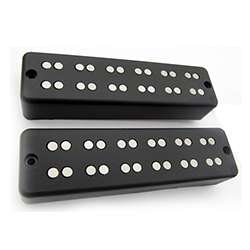
پیکاپ های Dual-Coil:
پیکاپ های Dual-Coil دقیقا پیکاپ های humbucker گیتار باس هستند. صدایی گرم تر از پیکاپ های Split-Coil و J Pickups دارند ولی به شفافیت آنها صدا تولید نمی کنند. این نوع پیکاپ ها به طور کلی کمتر مورد استفاده قرار می گیرند ولی مناسب برای کسانی هستند که صدای Vintage دوست دارند.
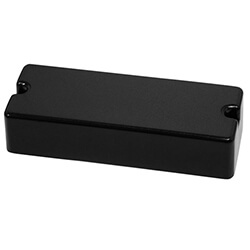
پیکاپ های Soap Bar:
این پیکاپ ها قاب عریض تری به نسبت J pickup ها دارند. تفاوت عمده دیگر این پیکاپ ها این است که آنها در اصل مهر و موم شده در قاب خود هستند و این خصوصیت از آنها محافظت بیشتری در برابر آسیب و فرسودگی می کند. این پیکاپ ها دارای پین هایی هستند که از کف آنها خارج شده است و این در راستای سیستم متفاوت سیم پیچی آنها می باشد.
پیکاپ های گیتار آکوستیک:
پیکاپ های گیتار آکوستیک به سه دسته تقسیم می شوند:
Transducer, Piezo, Soundhold
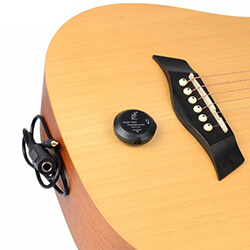

پیکاپ های Transducer :
این نوع پیکاپ ها به بدنه گیتار متصل میشوند و ارتعاشی که بدنه از سیم می گیرد را به سیگنال الکتریکی تبدیل می کنند. این پیکاپ ها دارای صدای زنده تری نسبت به سایر پیکاپ های همرده خود می باشند ولی نقطه ضعف آنها این است که به نسبت پیکاپ های Piezo و Soundhole حساسیت بیشتری به فید بک دارند.
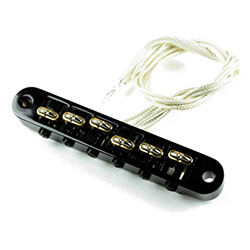

پیکاپ های Piezo:
این پیکاپ ها مشابه پیکاپ های Transducer می باشند با این تفاوت که به جای نصب شدن به بدنه گیتار، زیر سدل (قسمت خرک) نصب می شوند. این پیکاپ ها صدای نسبتا مصنوعی تری از پیکاپ های Transducer دارند اما نسبت به فید بک مقاوم هستند، مید رنج بالایی دارند و بسیار مناسب برای کسانی هستند که به اجراهای بزرگ و با Volume بالا می پردازند." این پیکاپ ها در گیتار الکتریک هم استفاده می شوند."


پیکاپ های Soundhole:
این پیکاپ ها در اصل پیکاپ های گیتار الکتریک هستند که داخل حفره صدا (Sound hole) گیتار آکوستیک قرار گرفته اند. پیکاپ های Soundhole با قیمت معمولی تقریبا صدای الکتریک مانندی از گیتار آکوستیک می سازند اما پیکاپ های Soundhole با قیمت بالا و با کیفیت صدایی زنده و دقیقا آکوستیکی دارند. این نوع پیکاپ ها به دلیل سیستم ساخت و سیم پیچی که دارند در مقابل فید بک مقاوم بوده ولی در عین حال صدایی بسیار دقیق و شفاف از گیتار استخراج می نمایند. مزیت دیگر این پیکاپ ها این است که میتوان آنها را روی هر گیتار آکوستیکی بدون نیاز به برش و یا تغییر ساختار بدنه ( به زبان محاوره بدون نیاز به جراحی بدنه) نصب کرد. برای مثال شما می توانید یک گیتار آکوستیک با کیفیت ولی بدون پیکاپ خریداری کرده و هر گاه که نیاز به اجرای زنده و اتصال به آمپلی فایر داشتید این پیکاپ را بر روی گیتار نصب کنید.

Inbody Microphone:
در این سیستم از میکروفون برای انتقال صدای داخل بدنه به سوی آمپلی فایر استفاده می شود. این سیستم صدایی بسیار واقعی به شما میدهد اما بسیار فید بک پذیر نیز هست. در ضمن سیستم هایی که از میکروفون (میکروفون واقعی!) استفاده می کنند دارای قیمت بالایی نیز می باشند. این نوع صدا برداری در عین حال می تواند با سایر سیستم های پیکاپ نظیر سیستم پیکاپ piezo ترکیب شود.
تقسیم بندی پیکاپ ها به انواع اکتیو و پسیو:
تمام پیکاپ هایی که در بالا نام برده شده اند در تقسیم بندی Active یا Passive نیز قرار میگیرند. نوع صدای این دو نوع پیکاپ بسیار با هم متفاوت است. پس در هنگام خرید هر کدام از پیکاپ های بالا به اکتیو یا پسیو بودن آنها دقت کنید.
پیکاپ های پسیو:
پیکاپ های Passive اولین نوع پیکاپ های ساخته شده در تاریخ می باشند. این پیکاپ ها به این دلیل پسیو نامیده میشوند که سیگنال الکتریکی را تقویت یا اصطلاحا Boost نمی کنند. این پیکاپ ها صدایی گرم و زنده دارند و تقریبا همه سبک ها را پشتیبانی می کنند. اما اگر به دیستورشن خیلی سنگین علاقمند هستید ممکن است برای شما مناسب نباشند.
پیکاپ های اکتیو:
همانطور که از نام پیکاپ های اکتیو استنباط می شود این پیکاپ ها از مدارهایی استفاده می کنند که توسط منبع انرژی پشتییانی میشود. این منبع انرژی معمولا یک باطری 9 ولت است که داخل گیتار نصب میشود. این پیکاپ ها سیگنال شما را تقویت (Boost) می کنند که نتیجه آن خروجی قوی تر سیگنال صدای گیتار شما است. معمولا پیکاپ های اکتیو این امکان را به شما میدهند که فرکانس دلخواهتان (bass یا treble) را افزایش دهید. در گیتار الکتریک پیکاپ های اکتیو معمولا برای تولید صدای Distortion سنگین مورد استفاده قرار می گیرد. EMG یکی از کمپانی های معروف تولید کننده پیکاپ اکتیو است.
پیکاپ اکتیو باس:
این پیکاپ ها معمولا گرانقیمت تر از سایر پیکاپ های گیتار باس هستند ولی به دلیل تن های مختلفی که میتوان برای آنها تنظیم کرد به نوازنده گیتار باس اجازه میدهند که به راحتی صدای ساز خود را متناسب با سبک ها مختلف تنطیم کند.
The pickup(s) in your guitar are what allows your instrument to be heard. They’re just as important as the wood your guitar is made from, your strings, and your amp; and they deserve an equal amount of consideration.
However, pickups come in different shapes and sizes. Pickups also work towards different purposes. For example, you’re not going to use the same pickup to play country that you use to play hard rock and metal. And if you don’t get the right pickups for what you want to do, you’ll find it hard to get the tone you want.
Because there are so many types of guitar pickups available, we’ve set out to create an introductory resource that you can use to figure out which pickup is going to be the best fit for you. We’re not going to delve into too many technicalities, or try and list every conceivable pickup and the pros and cons associated with them, but by reading this article you’re going to have essential knowledge to make an informed purchase.
So without much further ado, let’s get started…
What Is a Pickup?
Before we get started, let’s make sure we’re all on the same page. A pickup is a magnet with wire wrapped around it that transforms the vibration of your strings into an electronic signal. Pickups are used on electric and acoustic instruments.
Electric Guitar Pickups
Electric guitar pickups (and electric bass pickups) can be divided into three main categories: single coil, humbucker, and P90.
Single Coil
Single coil pickups use a single magnet. A good example of a single coil pickup are the pickups on a standard Fender Stratocaster (though they’re used on countless guitars, not just those from Fender!). Single coil pickups don’t have one easy to define tone because they’re so widely used, but as a general rule they’re considered to be brighter than humbuckers or P90s. The genres that use single coil pickups famously include country and surf, though they sound great in almost any genre. They’re only weakness is that they don’t handle high levels of distortion (like what you’d hear in hard rock and metal) as well as humbuckers.
Humbucker
Humbuckers are essentially two single coil pickups working together. Single coil pickups are subject to 60-cycle hum, a phenomenon where background electrical noise is transferred to your amp along with your strings’ vibrations. Humbuckers were designed to “buck” hum, hence the name. Humbuckers have a warm tone in comparison to single coil pickups, which is why they’re the pickup of choice for jazz. However, due to their higher output (output=volume) they outperform single coil pickups in genres where high levels of distortion are required. The only genres humbuckers don’t do well are country and surf, but beyond that they perform well in any circumstance (depending on their output of course!).
P90
Last but not least, P90s. P90 pickups are the happy medium between single coil and humbucker pickups. They have a higher output than single coil pickups, but they don’t have the output of humbuckers. Their tone has a bit more depth than your standard single coil, but not to the extent of humbuckers. P90 pickups are best suited to blues and rock (but not hard rock), though they’re still relatively versatile.You can see our recommendations in our guide to Electric Guitar Pickups.
Electric Bass Guitar Pickups
Bass pickups are designed the same as guitar pickups, but they’re separated into different categories: J-pickups (Jazz Bass), Split-Coil pickups, Dual-Coil pickups, and Soap Bar pickups.
J-Pickups
J-pickups were first used on Fender’s Jazz Bass, and because of this are still associated with the instrument. These pickups have a warm and clear tonality, and are commonly used by jazz musicians. However, they’re also common in rock (Geddy Lee from Rush is a notable user).
Split-coil
Split-coil pickups are two halves of a single pickup, with one half resting slightly higher (more towards the neck) than the other. These pickups are generally used by rock and punk musicians due to their punchy tone.
Dual-coil
Dual-coil pickups are humbucking pickups, though they aren’t as common as j or split-coil pickups. Dual-coil bass pickups, like humbuckers on a guitar, have a significantly warmer tone than single coil alternatives. They’re great if you’re looking for a more vintage bass tone, though do know that they don’t have the clarity of the pickups above.
Soap bar
Soap bar pickups are essentially J-bass pickups with a wider housing. A notable difference is that these pickups are actually sealed, which helps to protect them from degradation. They also have pins that protrude from the bottom of the pickup in order to facilitate different wiring combinations.
Acoustic Pickups
Acoustic pickups can be divided into three categories: transducer, piezo, and soundhole.
Transducer Pickups
These pickups are known for their lifelike representation of an acoustic instrument’s tone. These pickups work by adhering to your instruments soundboard and then translating its response into an electric signal. Because these pickups “hear” how your soundboard reacts to the vibration of your strings the sound it produces is more reflective of that. The only downside to transducer pickups is that they have a tendency to be more sensitive to feedback than piezo or soundhole pickups.
Piezo Pickups
These are a type of transducer, but instead of being under the soundboard they’re under the saddle (where your strings pass over). These pickups “hear” your strings more that your guitar, and are considered to sound more synthetic than soundboard transducer. They also have a strong mid-range hump, generally described “piezo quack”. Piezo pickups are generally pretty resistant to feedback, making them a great option if you’re looking to play bigger venues or play with higher amounts of volume.
Soundhole Pickups
These are essentially electric guitar pickups that fit in the soundhole of an acoustic guitar. These pickups have a definite “electric” quality to their tone, but higher end soundhole pickups actually sound really lifelike. Nicer soundhole pickups implement a technology that’s similar to a microphone, offering a similar response without being as sensitive to feedback. The cool thing about these pickups is that they’re generally pretty feedback resistant and can still pump out a lifelike tone, making them a happy medium between soundboard transducers and piezo pickups. Many of these systems are also affordable and non-invasive (meaning that they don’t require any permanent modification to your instrument).
In-Body Microphones
Though they aren’t really pickups, many companies offer in-body microphones or systems that combine a pickup with an in-body microphone. These systems offer the most realistic acoustic tone, but they come with a couple of downsides. Microphones are significantly more feedback prone than acoustic guitars, and systems that use microphones are more expensive than other options. However, if you’ve got to have a genuine acoustic tone there is definitely enough of a difference between a microphone (or a system which uses a microphone and pickup simultaneously) and a pickup to justify the increase in price.
Active and Passive Pickups
All of the pickups above fall under two classifications: active and passive. Active and passive pickups operate differently and have very different tones. So in order to get the tone you’re looking for it’s important that you know the difference between the two.
Passive Pickups
These were the first pickups invented. They’re called passive because they don’t boost the signal. These pickups have a warm and organic tone, and as a general rule they’re great for just about everything. The only thing they don’t excel at is high levels of distortion.
Active Pickups
As the name implies, active pickups utilize active circuitry that require a power source, which is usually a 9V battery embedded into guitars. These pickups boost your signal, resulting in a higher amount of output. On active pickups you can also boost frequencies (like treble, bass, or both) from your instrument, a feature that's commonly available on most acoustic-electric guitars. On electric guitars, active pickups are generally only used for genres that require high levels of distortion, like metal and hard rock. EMG is one of the most notable manufacturers of active pickups, and the pickups they produce are a great representation of active guitar pickups as a whole.
Active Bass Pickups
Active Bass Pickups are a bit different, prized more for their tone sculpting capabilities than their higher output, which has led to their adoption in a variety of different genres. This is a stark contrast to active electric guitar pickups, which are seldom used outside of hard rock and metal).


